
knowledge
In the spirit of open-source, we want to share the unfiltered journey of building DDS, our creative media and gaming studio — and its evolution — the collision of a father's pragmatism and a son's imagination — in forging a new blueprint for creative entrepreneurship.
The project started as a simple adventure — a platform to exhibit our works and ideas — some fully-baked, many half-baked and more bouncing-around-our-heads-yet-to-be-baked; quirky, ridiculous and of substance; brain farts, purposeless pure expressions and the socially-imperative; and numerous tributes to the artists and bright minds that inspire us — writers, illustrators, game creators, musicians, puzzle masters, [hack]activists, whistleblowers, wisdom-keepers, philosophers, thought-leaders and visionary entrepreneurs.
Watch this space for updates 🌌
Honouring a hero that honoured humanity: Aaron Swartz
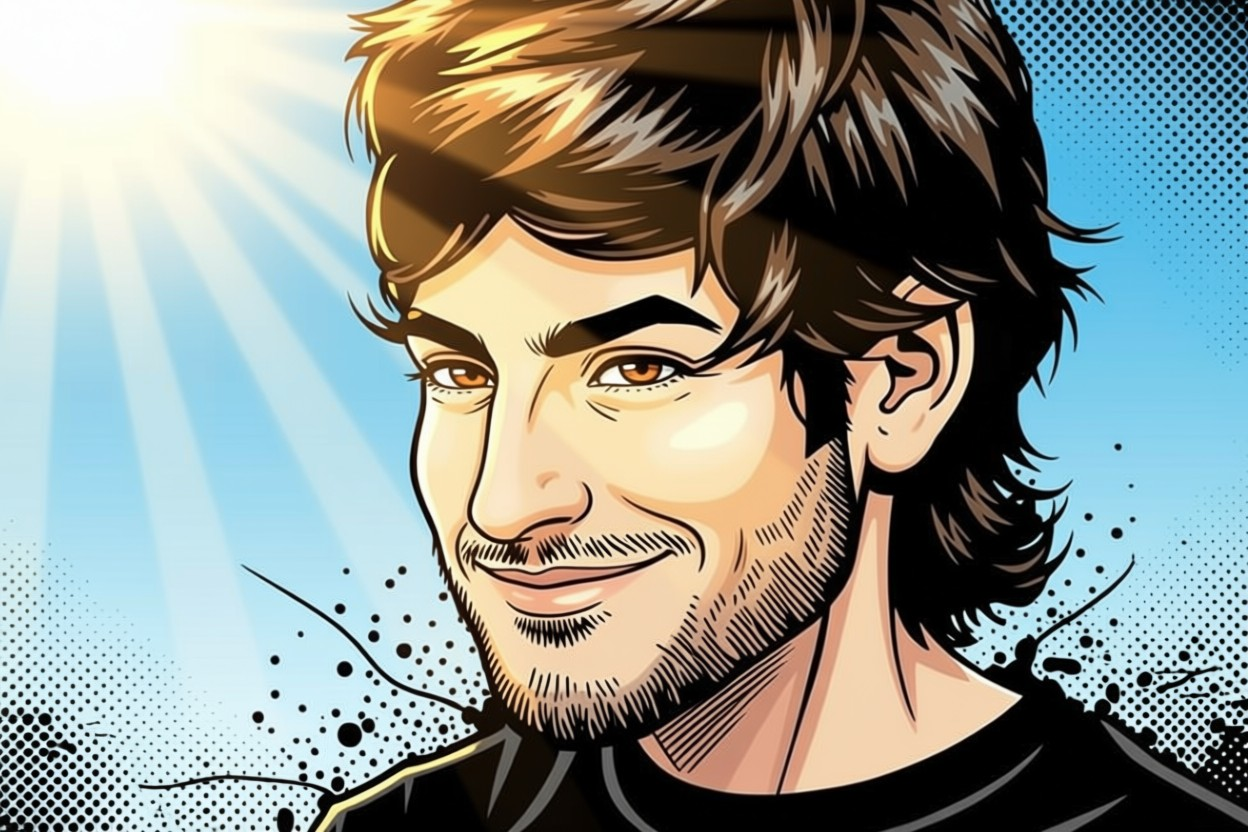
Aaron Swartz, a prodigious programmer and fervent [hack]activist, dedicated his life to democratising knowledge and safeguarding internet freedoms, embodying a profound service to humanity through his relentless pursuit of open access, transparency, and social justice.
He co-authored the RSS 1.0 specification at age 14, which revolutionised content syndication, co-founded Infogami, which merged to create Reddit, a platform leveraging technology to empower individuals to form communities for discourse, news aggregation, and fostering collective intelligence that shapes online social interaction. He played a key role in developing the technical architecture for Creative Commons, providing flexible copyright licenses that facilitate global sharing of creative works, educational resources, and knowledge without cumbersome legal barriers.
In 2008, his [hack]activism intensified with the Guerilla Open Access Manifesto, where he advocated for liberating [downloading millions of JSTOR academic articles to challenge proprietary control over public-funded research and liberating the PACER court documents database to reduce legal barriers] scholarly information locked behind paywalls, declaring that "information is power" and should be freely shared to bridge global inequalities in education and innovation. He co-founded Demand Progress, mobilising millions against internet censorship bills like SOPA and PIPA, and as a Harvard fellow, exposed political corruption.
In his acts of civil disobedience, he stood against institutional gatekeeping, corporate overreach, and unjust laws, inspiring a generation to prioritise ethical hacking, civic engagement, and the open web as tools for societal progress, even at great personal cost — underscoring his belief in knowledge as a universal human right, not a commodity.