
About
DDS
Our Story
Founded in 2021, Darkness Duo Studios is an independent creative media, storytelling and game production studio.
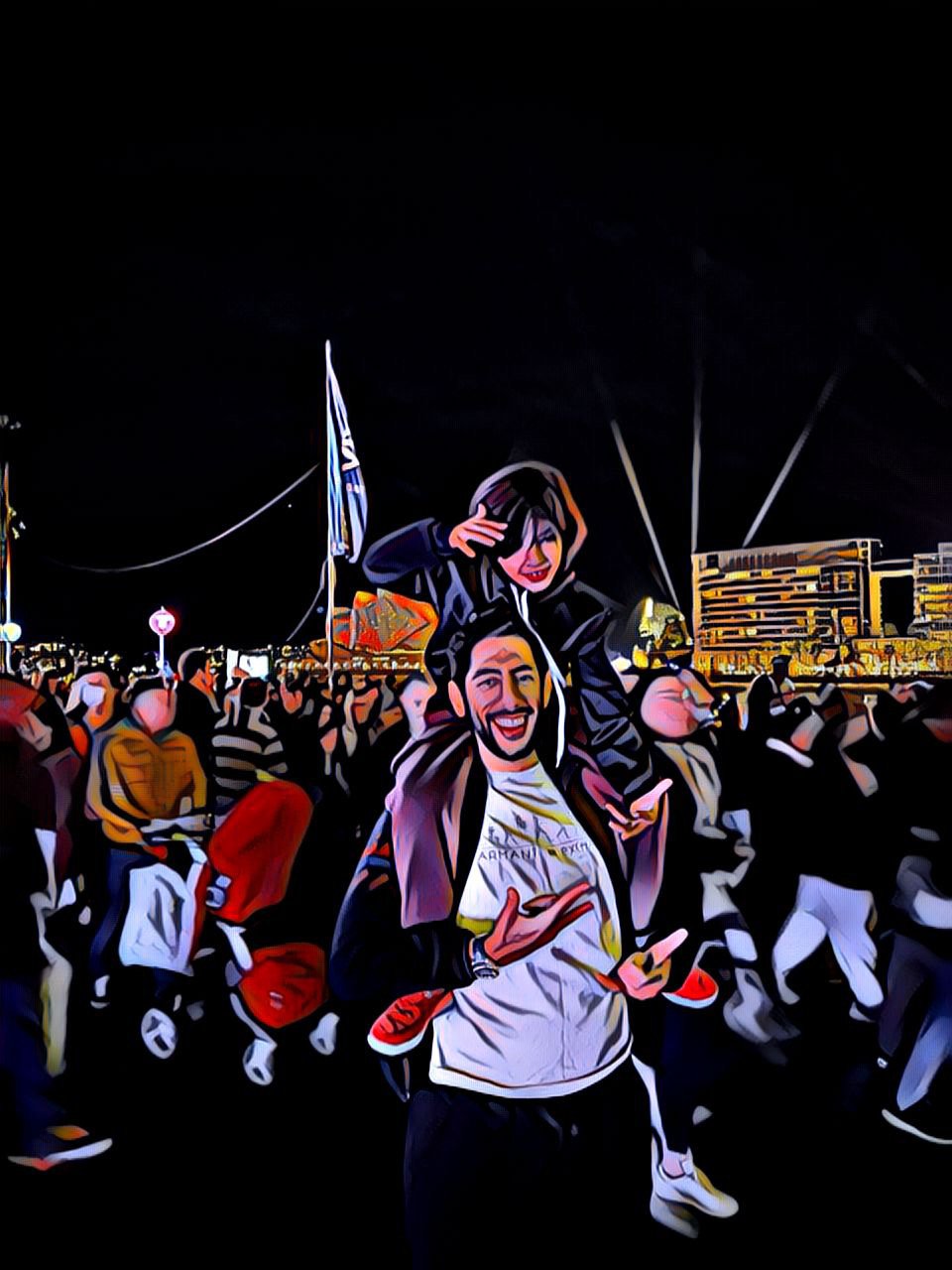
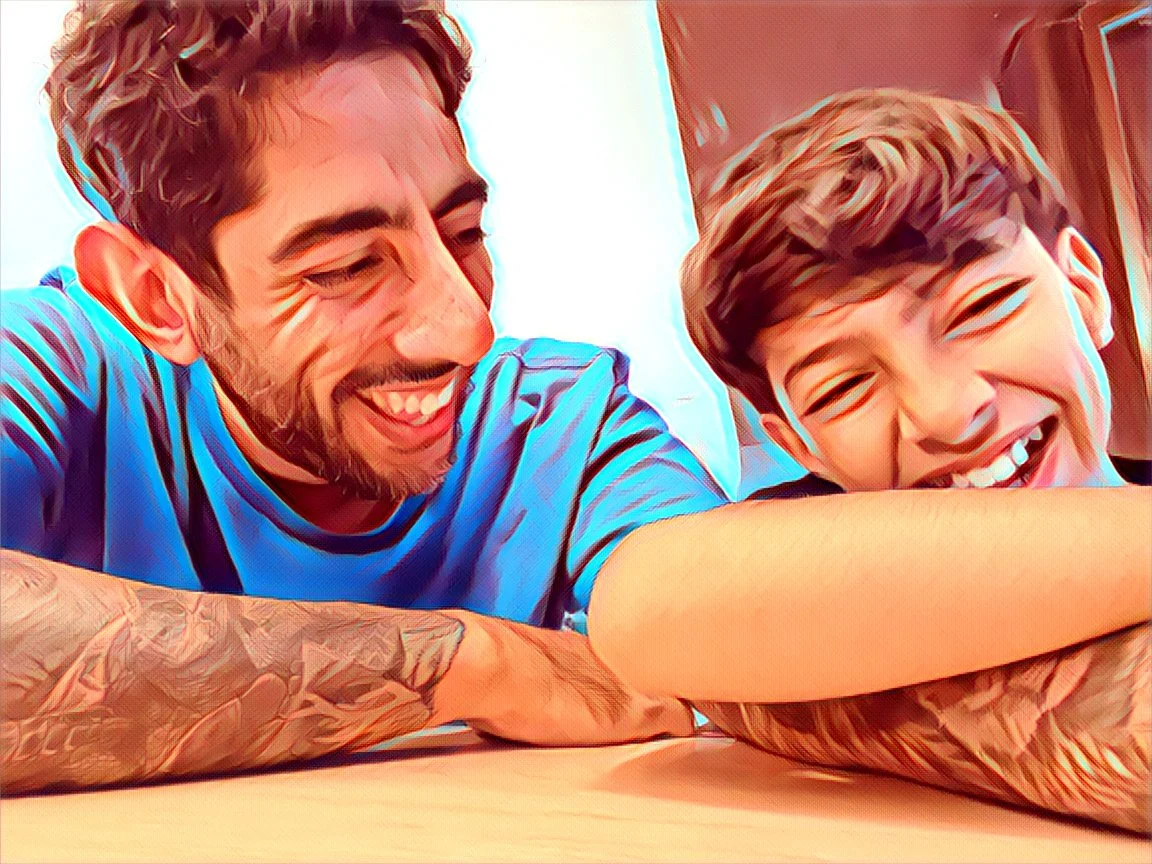
It's more than a business—it's a father-son adventure where work and play are one and the same.
Every project is an opportunity to ignite our divine spark, esteem our skill and create enduring art.
Scholars to our unbound imagination and artistic expression, we fuel each other’s wild and often ridiculous ideas with optimism to explore, attempt, fail, learn, experience and evolve.
We dive headfirst into the creative journey from comfort to chaos and back again — the hero’s journey — a metamorphosis.
☯
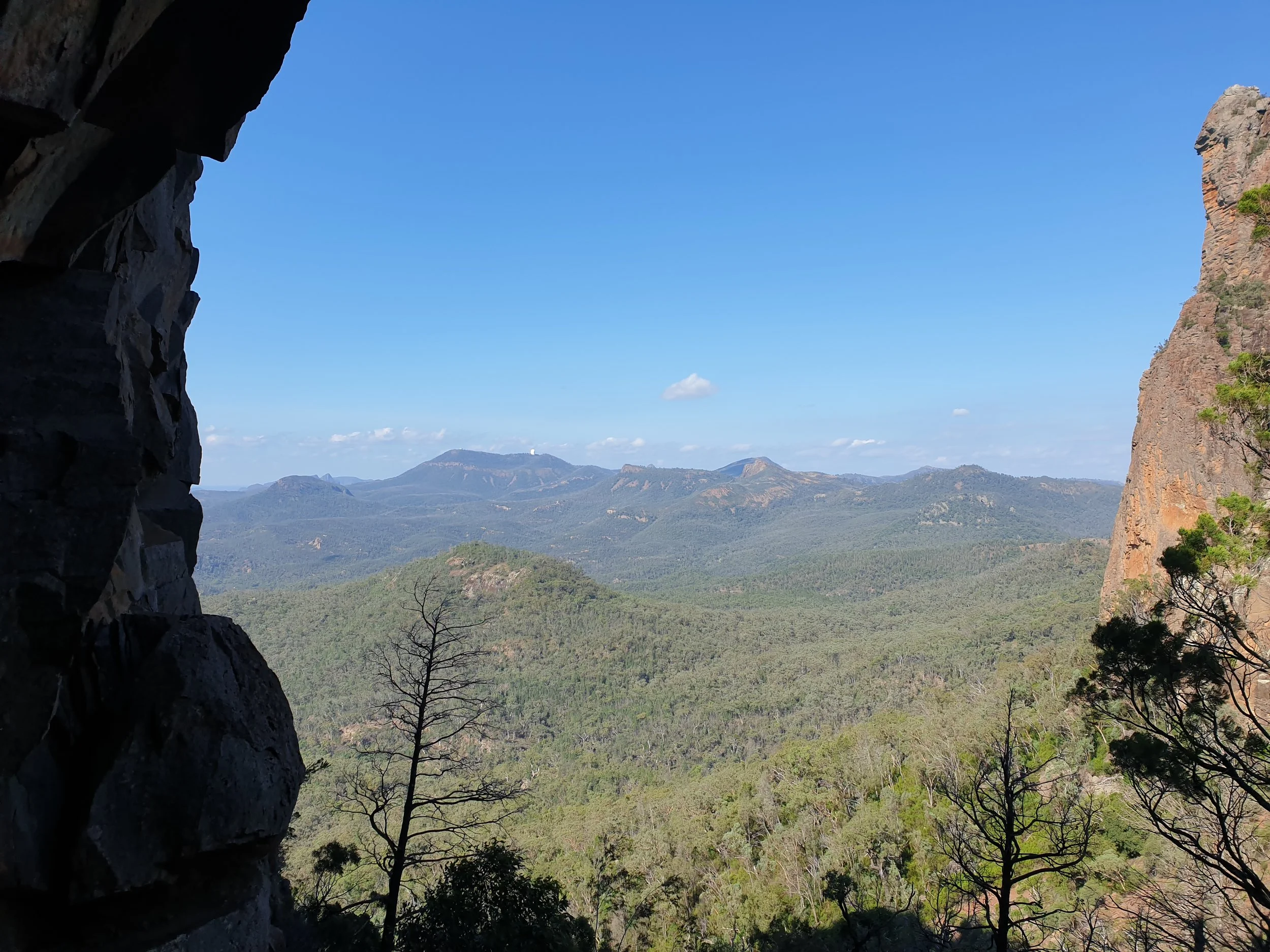
We were brainstorming names for our creative enterprise while driving back to the city from a hiking trip to Warrumbungle National Park in New South Wales, Australia, an extinct volcano complex — and one of the darkest places in the world.
As we observed the light of the cosmos in the celestial sanctuary, we chatted about how the vast sky, brimming with stars glittering in their wonder, needs the "spooky and frightening" — dark — to be truly appreciated.
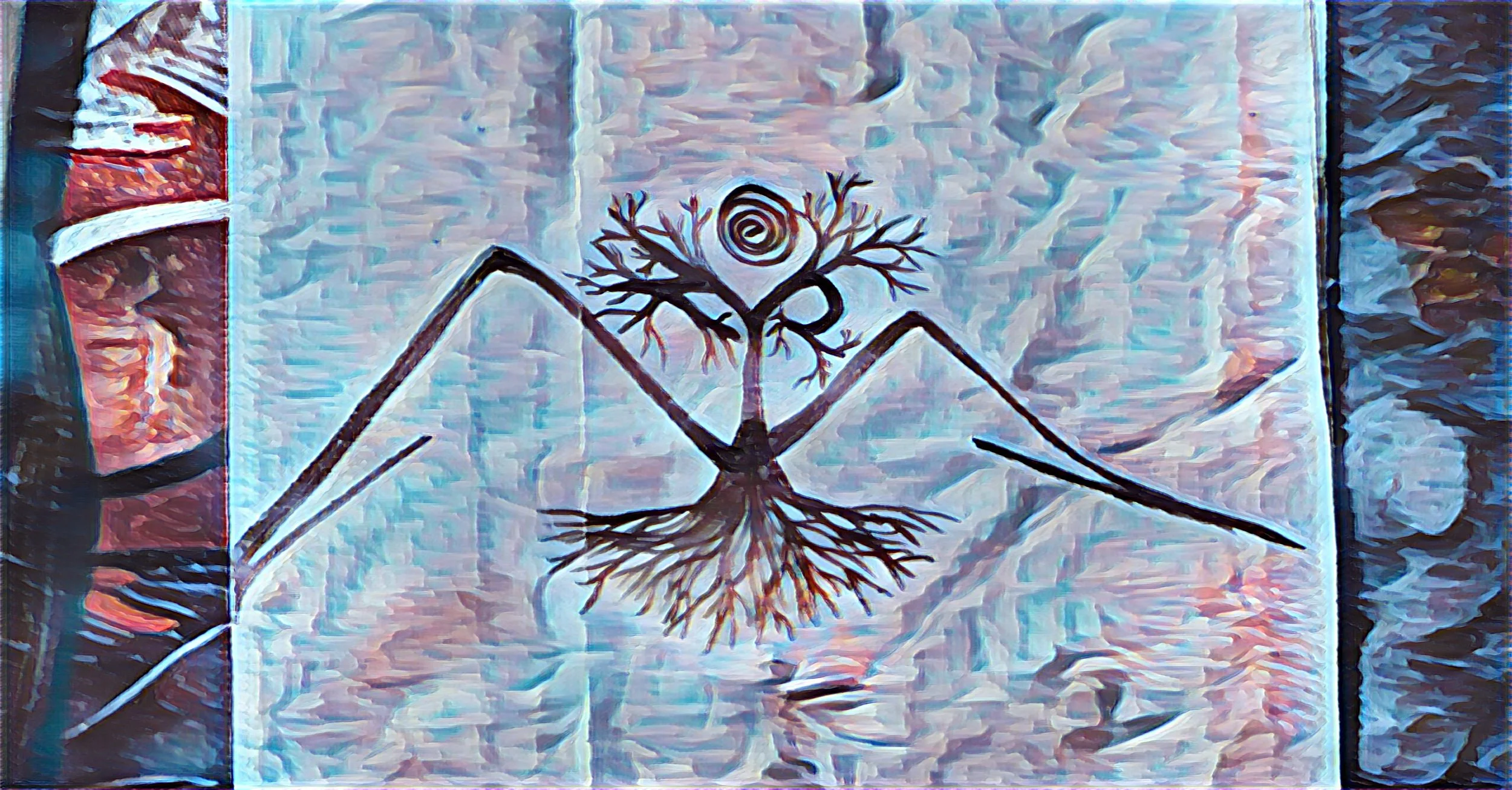
Our darkness and our light are immanent.
In the material world, darkness descends from danger — an energetic inheritance from our evolutionary programming imprinted in us for safety and survival in the face of predators.
In the mind, energy is narrowly understood from our sense of sight — light as matter — guiding us on the quest we all call life — as our actions ascend to meet our imagination.
Our unquantifiable light is home with the help of the immeasurable source of our darkness.
At DDS, we imagine, write, draw, design, jam and game!
Writing, illustrating and storyboarding absurd yet meaningful books, comics, graphic novels and games

Mashing up videos and music

Playing all formats of in-real-life [analogue] and cross-platform [digital] games for the sake of playing.

Discovering new uncertainties from essential questions about definitions, benchmarks and incentives

Fusing behavioural science frameworks for ethical engagement economics in gamification strategies
Improving social understanding, decency and culture
“No such thing as bad student, only bad teacher. Teacher say, student do.”
– Mr. Miyagi [The Karate Kid]
Ezra Khemchandani
Uno

Ezra Khemchandani loves making things, playing games and being a goofball.
As co-founder and Chief Possibilities Officer at DDS, he operates from a world view of "what if…", a reality unconstrained by market data, budget sheets, or the pragmatisms of the "way things are done". He creates for the joy of it, accepts failure is just another part of the game, and understands fun and engagement at a primal, non-academic level, championing [ez]radical creativity that is associative and non-linear, which makes for awesome ideation.
He draws his inspiration, a decade in the making, from… comics, books and movies like The Legend of Zelda, Harry Potter, Captain Underpants, Avatar: The Last Airbender, Space Jam, Back To The Future, The Karate Kid, Matrix; the profound genius of Studio Ghibli classics like Spirited Away, Howl's Moving Castle and My Neighbor Totoro; and games across numerous platforms and made by geeks and nerds across the spectrum, ranging in complexity from industry titans like Nintendo, Supercell, Epic Games and Mojang Studios – Super Mario, The Legend of Zelda, Brawl Stars, Minecraft and Roblox; to simpler, kinetic or social deduction and quirky indie creations – Doodle Jump by Lima Sky, Among Us by Innersloth and an all-time favourite, Machinarium by Amanita Design.
When not doing good research in the aforementioned domains or making the real world his playground, he spends a large part of his time at the institution of school, which aims to prepare him for "the future" — and where he aims to establish a more concise definition of what that future looks / ought to look like — for himself.
Deepak Khemchandani
Duo

Deepak Khemchandani loves technology while secretly despising it. More precisely, he appreciates the force for good that technology can be while questioning on a daily basis, the trade-offs being made that are dismantling personal privacy and common autonomy for the sake of convenience.
He interprets observed patterns across a range of personal interests and professional research areas, including dis/mis/mal-information, censorship, tax havens, spyware, geopolitics, refugees, financial literacy, economics, law, psychology, education, media, computing, philosophy, game design, privacy, geoeconomics, artificial intelligence, quantum theory, cybersecurity and bitcoin.
As some of his interests and “excavation” efforts may be perceived by authoritarian regimes and fooled [as opposed to full] democracies as "anarchical", albeit, a constructive enquiry of quis custodiet ipsos custodes? [~who watches the watchers?], he channels his insights to “critique by creation, not by finding fault” [as suggested by Cicero and more harshly prodded by draconian state precision persuasion techniques]. Consequently, he is working on a media curation tool that builds the muscle of enquiry to understand the news more astutely, advance critical thinking and collective sense-making for authentic democratic will formation; and writing dark comics and graphic novels that tackle deep social issues.
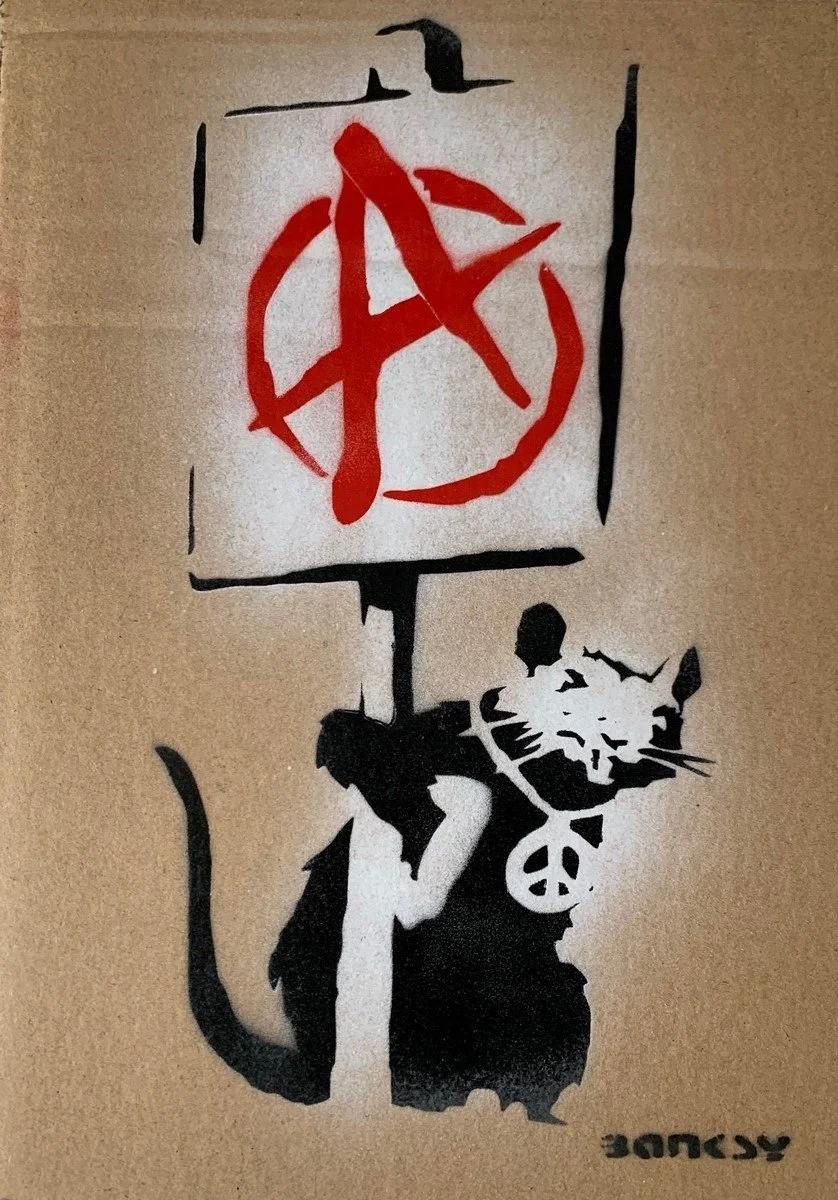
As co-founder and Chief Chaos Officer at DDS, he is particularly interested in the evolution of the media environment, analysing public policy for doublespeak, evaluating the role of anarchy in shaping harmony, navigating the technological incursion upon society’s mental sovereignty, and understanding the core purpose of the education system in the techno-centric age that is upon us. He predicts the post-television and internet transformation of [accelerated] childhood will be a return to the time of reason — knowing the difference between right and wrong in the absence of authority [technocratic, benevolent, authoritarian or otherwise] — and the resurgence of comics and graphic novels, and the proliferation of games as the “gateway” to achieving the objective function of education: energising intellectual curiosity and virtuous self-governance.
When he's not minding belligerent parens patriae [~parents of the country] policies, or discerning signal from noise with a resolute focus on outcomes [reality] over narratives [mind-f*ckery from doublespeak media apparatuses, designed for the slumbering masses of causality-seeking meat “machines”], or dreaming up a pareto-improving world of realigned parasitic homo-economicus industrial complexes, he's in his happy place hanging out with his family of goofballs.